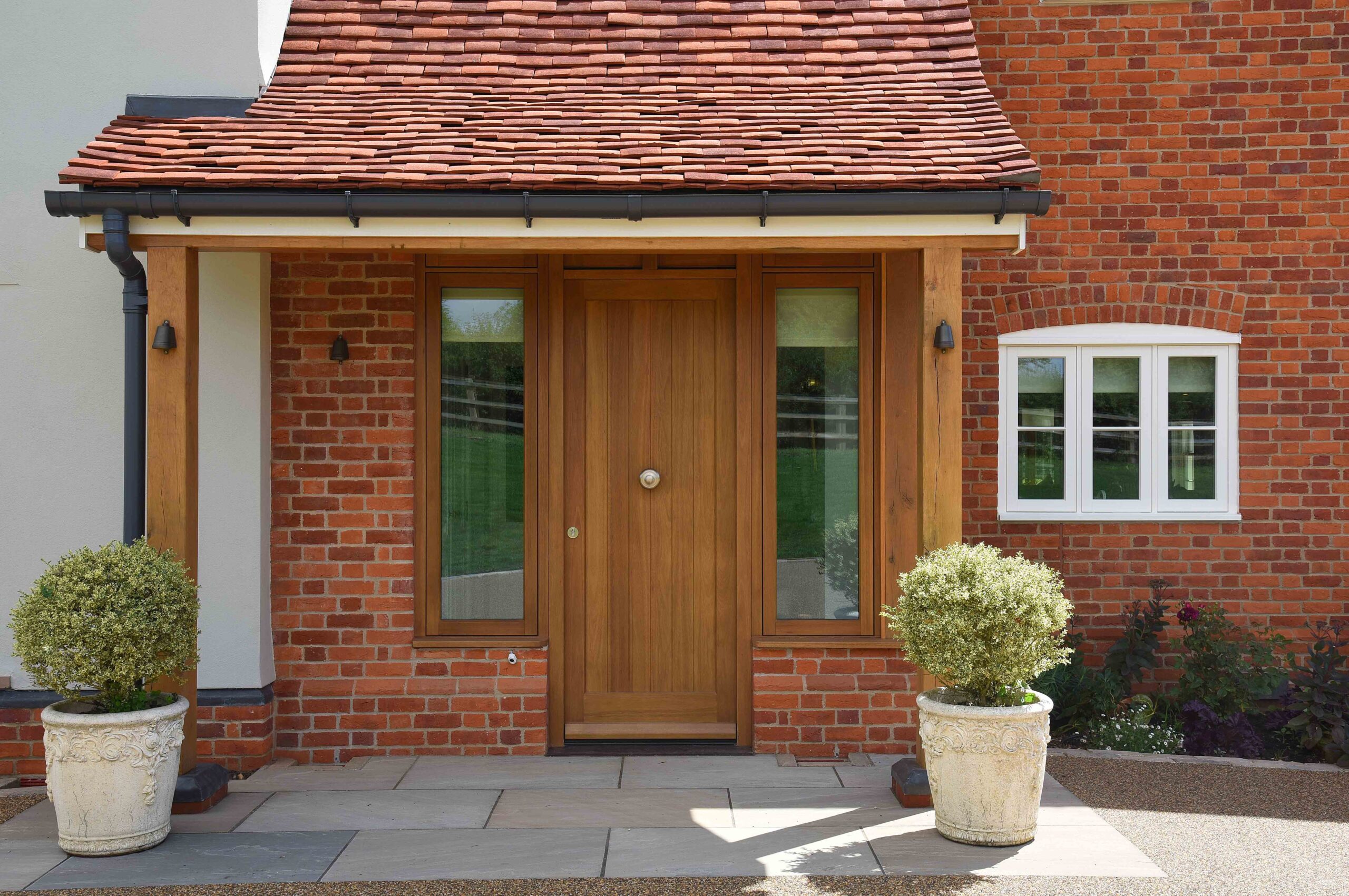
5 Wooden Entry Door Installation Leçons From The Professionals
A Comprehensive Guide to Wooden Entry Door Installation
Introduction
Setting up a wooden entry door can improve the aesthetics of your home while supplying security and insulation. A well-placed wooden door can significantly increase curb appeal and include value to any home. Whether you're a seasoned DIY lover or a property owner seeking to update your entranceway, this guide details everything you need to understand about wooden entry door installation.
- * *
Why Choose a Wooden Entry Door?
Before diving into the installation process, let's briefly check out the advantages of wooden entry doors:
Advantages of Wooden Entry Doors
Benefit
Description
Visual Appeal
Wooden doors use a traditional, warm look that can enhance any architectural style.
Energy Efficiency
Wood is a natural insulator, leading to better temperature level guideline in homes.
Personalization Options
Wooden doors can be quickly personalized in regards to size, shape, and finish.
Sturdiness
With proper maintenance, wooden doors can last for years.
Security
Solid wood supplies outstanding security against required entry.
- * *
Preparing for Your Installation
Tools and Materials Needed
Before beginning, guarantee you have the following tools and products:
Tools
Materials
Screwdriver
Wooden entry door
Level
Hinges
Determining tape
Door shims
Saw (if cutting is required)
Wood screws
Hammer
Weatherstripping
Drill
Door manage and lock set
Safety safety glasses
Paint or complete (optional)
Measurements
- Procedure the Door Frame: Use a measuring tape to measure the height and width of the existing door frame.
- Examine the Depth: Measure the density of the frame, which generally ranges in between 4-6 inches.
- Door Size: Buy a door that closely matches the measurements of your frame. If Windows And Doors R Us , it's better to pick a somewhat larger door, as it can be trimmed.
- * *
Step-by-Step Installation Guide
Step 1: Remove the Old Door
- Loosen the Hinges: Use a screwdriver to get rid of the screws from the depend upon the old door.
- Take the Door Off: Carefully lift the door from the hinges and set it aside.
Step 2: Prepare the New Door
- Cut if Necessary: If the new door is too large, use a saw to trim it to the required size. Take your time to make sure a straight edge.
- Install the Hinges: Mark the hinge locations based upon the old door and install the hinges on the new door.
Action 3: Fit the New Door
- Position the Door: Align the new door with the hinges in the door frame.
- Attach Hinges: Secure the door by screwing the hinges into the frame. Utilize a level to guarantee the door hangs straight.
Step 4: Secure and Seal
- Set up the Lock: Follow the producer's directions to fit the lock and handle.
- Adjust with Shims: If there are gaps, use door shims to adjust the fit and avoid warping or sagging.
- Seal Gaps: Apply weatherstripping around the door's edges for better insulation and energy efficiency.
Step 5: Finish the Door
- Add Finishing Touches: Apply paint or stain as desired. If you prefer, avoid this step for a natural wood appearance or a pre-finished item.
- Check the Door: Open and close the door multiple times to examine for smooth operation.
- * *
Upkeep Tips for Wooden Entry Doors
To extend the life of your wooden entry door, consider the following upkeep practices:
Regular Maintenance Checklist
Task
Frequency
Inspect for fractures or splinters
Yearly
Repaint or stain as needed
Every 3-5 years
Check hinges for rust
Semi-annually
Tidy with mild soap and water
Regular monthly
Apply wood conditioner
Twice a year
- * *
Frequently Asked Questions about Wooden Entry Door Installation
Q1: Can I install a wooden door by myself?
A1: Yes, if you have fundamental carpentry abilities and the right tools, you can set up a wooden door yourself. Nevertheless, assistance from a friend or household member can be advantageous.
Q2: Do I require a special type of wood for my entry door?
A2: While numerous kinds of wood can be used, oak, mahogany, and cedar are popular options since of their sturdiness and resistance to weathering.
Q3: How do I choose the ideal size door?
A3: Measure the door frame before acquiring a new door. It's advised to choose a door slightly larger than your frame as it can be trimmed to fit.
Q4: How long does the installation process take?
A4: Depending on your ability level and whether you are painting or staining the door, the installation can take anywhere from 2-4 hours.
Q5: What can I do if my door is drooping?
A5: If your door is sagging, check if the hinges are tight and adjust with shims if essential. If the door is still drooping, you might need to realign the hinges by repositioning them.
- * *
Setting up a wooden entry door can be a rewarding task that enhances both the charm and performance of your home. With the right tools, products, and a thoughtful technique, you can install your door and enjoy its benefits for years to come. Keep in mind to maintain it appropriately to ensure it remains in outstanding condition. Whether you're tackling this as a DIY project or working with a professional, this guide will help set you on the best course. Delighted setting up!